The way we manage money has changed completely.
The way we handle our transactions and money has completely changed . Banking has become much easier and accessible . You no longer need to visit a branch or deal with paperwork and long lines.
With digital banking, you can check your balance. You can send and receive money, pay bills, and manage your finances anytime and anywhere.
But have you ever stopped to consider the various forms digital banking can take? From mobile banking apps to online banking platforms, the options can be overwhelming. Understanding the different digital banking types is crucial for making informed decisions about your financial management.
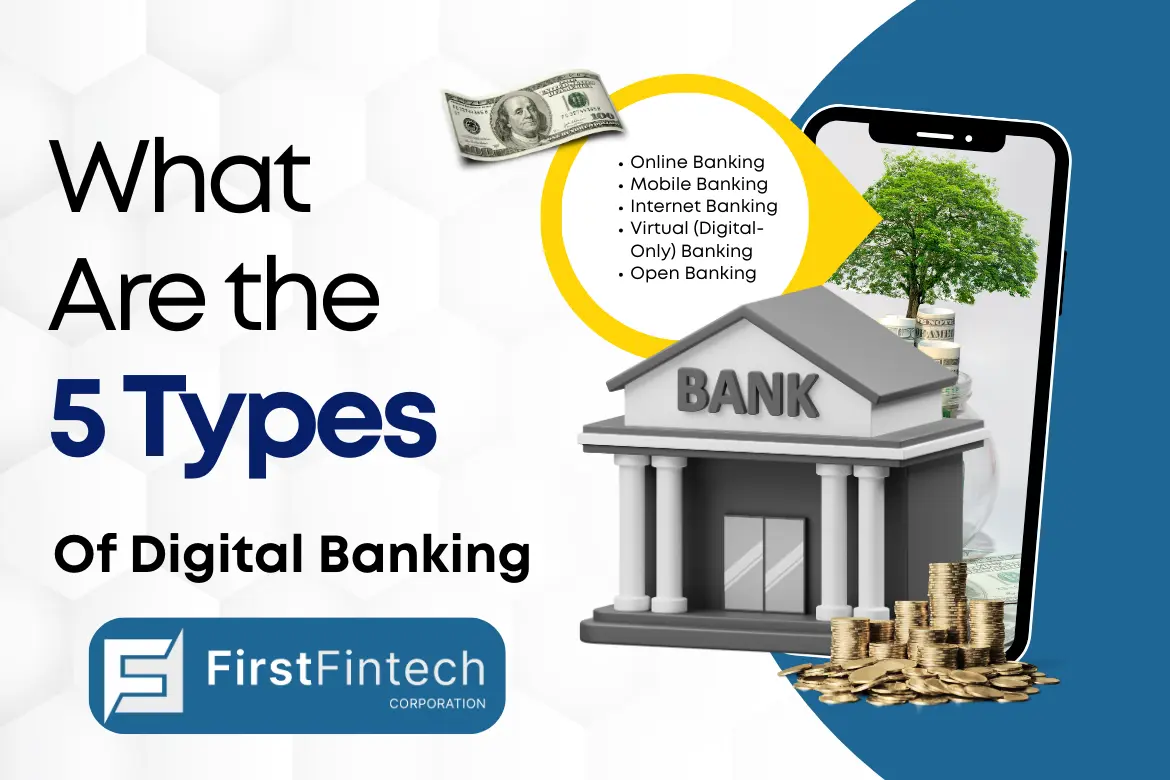
In this article, we’ll explore what are the 5 types of digital banking , shedding light on their unique features and benefits. By the end, you’ll have a clearer understanding of how to leverage digital banking to its full potential.
The Digital Banking Revolution in Qatar
The rise of digital banking in Qatar marks a new era in financial services, offering unprecedented convenience and accessibility. This transformation is not just about technology; it’s about changing the way people bank.
The Shift from Traditional to Digital Banking Services
Qatar’s banking sector is witnessing a significant shift from traditional banking methods to digital banking services. Online banking and mobile banking are becoming increasingly popular, allowing customers to manage their finances more efficiently.
How Digital Banking Supports Qatar’s Vision 2030
Digital banking is important for Qatar’s Vision 2030. It helps promote financial inclusion and boosts the digital economy. It aligns with the vision’s objectives by providing innovative financial solutions and improving the overall quality of life.
What Are the 5 Types of Digital Banking?
The digital banking landscape in Qatar is rapidly evolving, offering various types of services. As technology advances, banks in Qatar are adopting different models to cater to the diverse needs of their customers. This section will explore the five primary types of digital banking that have emerged in Qatar’s financial sector.
1. Online Banking
Online banking refers to the banking services provided over the internet. It allows customers to manage their accounts, transfer funds, and pay bills from the comfort of their homes.
Web Portal Banking Services
Web portal banking services offer a comprehensive platform for customers to access various banking services. These designers create user-friendly portals that provide features such as account management, transaction history, and bill payment.
Security Measures for Online Banking
To ensure the security of online transactions, banks in Qatar implement robust security measures, including encryption, two-factor authentication, and regular security audits. These measures protect customer data and prevent unauthorized access.
2. Mobile Banking
Mobile banking is popular in Qatar. Many banks offer apps that let customers do banking on their smartphones.
Smartphone Banking Applications
Smartphone banking applications provide customers with the flexibility to manage their accounts on the go. These apps offer features such as mobile check deposit, account alerts, and fund transfers.
Mobile Payment Solutions in Qatar
Mobile payment solutions are becoming more popular in Qatar. Many banks use services like Apple Pay and Samsung Pay. These solutions enable customers to make payments using their smartphones, enhancing convenience and security.
3. Internet Banking
Internet banking is a broader term that encompasses online banking, allowing customers to conduct financial transactions over the internet.
Browser-Based Banking Platforms
Browser-based banking platforms provide customers with access to banking services directly through their web browsers. These developers design these platforms to be compatible with various browsers and devices.
Advanced Transaction and Account Management
Internet banking platforms offer advanced features such as transaction management, account aggregation, and budgeting tools. These features enable customers to have a more comprehensive view of their financial situation.
4. Virtual Banking
Virtual banking refers to banking services that operate entirely online, without physical branches. This model has gained traction in Qatar, with several banks adopting virtual banking models.
Digital-Only Banks Without Physical Branches
Digital-only banks provide customers with the convenience of banking services without the need to visit physical branches. These banks operate through mobile apps and online platforms.
Advantages of Branchless Banking for Qatari Residents
The advantages of branchless banking include increased convenience, lower operational costs, and enhanced accessibility for customers. Qatari residents can benefit from these advantages, enjoying more flexible banking options.
5. Open Banking
Open banking is a system that lets third-party developers access customer banking data using APIs. This promotes innovation and competition in finance.
API-Enabled Financial Ecosystems
API-enabled financial ecosystems facilitate the integration of banking services with third-party applications, enhancing the overall banking experience. This ecosystem promotes the development of new financial products and services.
Third-Party Financial Service Integration
The integration of third-party financial services with banking platforms enables customers to access a broader range of services. This includes services such as personal finance management and payment initiation.
In conclusion, the five types of digital banking in Qatar offer a range of benefits and services to customers. By understanding these different models, customers can make informed decisions about their banking needs.
- Online banking provides comprehensive account management.
- Mobile banking offers convenience through smartphone apps.
- Internet banking enables advanced transaction management.
- Virtual banking operates entirely online, without physical branches.
- Open banking promotes innovation through API-enabled ecosystems.
Embracing the Digital Banking Future in Qatar
Qatar’s financial sector is on the cusp of a revolution, driven by the adoption of various digital banking types. As the country continues to invest in digital infrastructure, the future of banking in Qatar looks increasingly promising.
Different types of digital banking are changing how we access financial services. These include online banking, mobile banking, and virtual banking. These services provide customers with greater flexibility and convenience, enabling them to manage their finances more effectively.
As Qatar strives to achieve its Vision 2030, the role of digital banking will become even more critical. The country’s financial institutions must keep innovating and adapting to their customers’ changing needs. They should use the latest technologies to stay ahead.
Qatar is ready to lead in digital banking. By embracing this future, it will offer many new banking options. These options will meet the changing needs of its customers.
FAQ
What are the main types of digital banking?
The five main types of digital banking are online banking, mobile banking, internet banking, virtual banking, and open banking.
How does online banking work?
Online banking lets users manage their accounts and make transactions through a website. It offers services like account management, bill payments, and money transfers.
What is mobile banking, and how is it used?
Mobile banking involves using a smartphone application to access banking services, including mobile payment solutions, account management, and transaction history.
What is the difference between internet banking and online banking?
Internet banking and online banking are often seen as the same. However, internet banking usually means using a web browser for banking. It offers advanced features for managing accounts and transactions.
How does virtual banking operate, and what are its benefits?
Virtual banking means banks that only exist online. They do not have physical branches. These banks offer benefits like lower fees, higher interest rates, and more convenience for customers.
What is open banking, and how does it work?
Open banking uses APIs to connect different financial services. This lets users access a wider variety of financial products and services.
Are digital banking services secure?
Digital banking services employ various security measures, including encryption, two-factor authentication, and secure login processes, to protect user data and transactions.
Can I access digital banking services outside of Qatar?
Many digital banking services are accessible globally, but some may have restrictions or require additional verification for international access.