

The banking system is changing fast. Recent reports from Juniper Research show that over 4.3 billion people worldwide use digital banking technology. This number continues to grow.
So what is digital banking technology
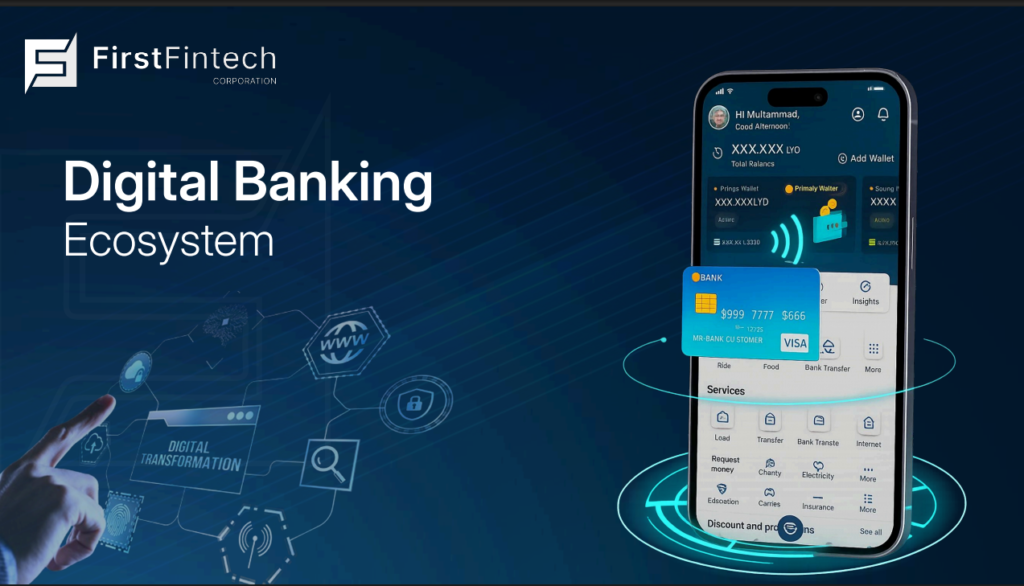
In simple words , is the move from traditional, in-branch banking to online and mobile services. This transaction is changing how people manage their money. It makes financial tasks faster, easier, and more accessible for everyone around the world.
As we explore digital banking, we’ll look at what it includes, why it matters, and how it’s changing the financial world.
The Digital Revolution in Banking
Digital technology is changing how banks work. Online and mobile services are replacing the traditional, branch-based way of banking. As technology improves and people’s habits change, banking digital services are quickly becoming the new normal.
The Shift from traditional banking to Digital Platforms
Banks are moving away from traditional physical branches and shifting toward digital platforms. Online banking and virtual banking are getting more popular. They allow people to manage their money anytime and from anywhere. This shift makes banking easier for customers and also helps banks reduce their operating costs..
Global Trends Shaping Digital Financial Services
Several global trends are shaping digital financial services. Mobile banking and digital payment systems are transforming the way people make transactions. Additionally, the integration of artificial intelligence and blockchain technology is enhancing security and efficiency in banking. Experts expect these trends to continue shaping the future of digital banking.
Global Trends Shaping Banking Digital Services
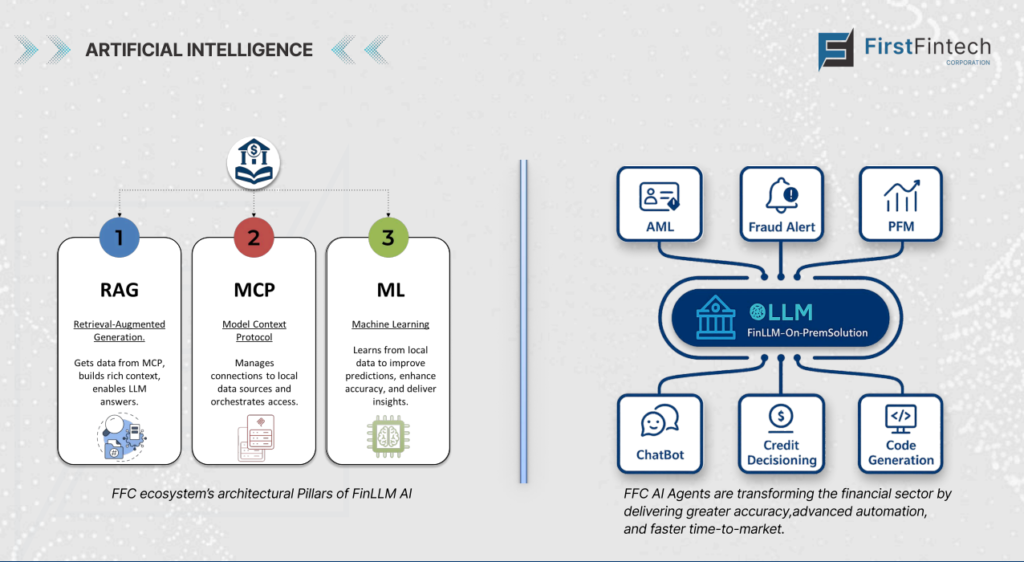
The way the users handle the transactions nowadays is completely different since many trends in banking digital appear . Mobile banking and digital payment systems are changing how people handle transactions, making everything faster and accessible.
Artificial intelligence (AI) and blockchain technology are improving security and efficiency in banking. These developments will continue to influence the future of digital banking in the years ahead.
The Ecosystem of Digital Banking Technologies
The world of digital banking technologies is complex and has many parts. It includes mobile banking apps, online banking platforms, and application programming interfaces (APIs).
These technologies work together to create digital financial services. This allows banks to offer many products and services to their customers. The integration of these technologies is crucial in providing a cohesive and efficient digital banking experience.
The Architecture of Digital Banking Systems
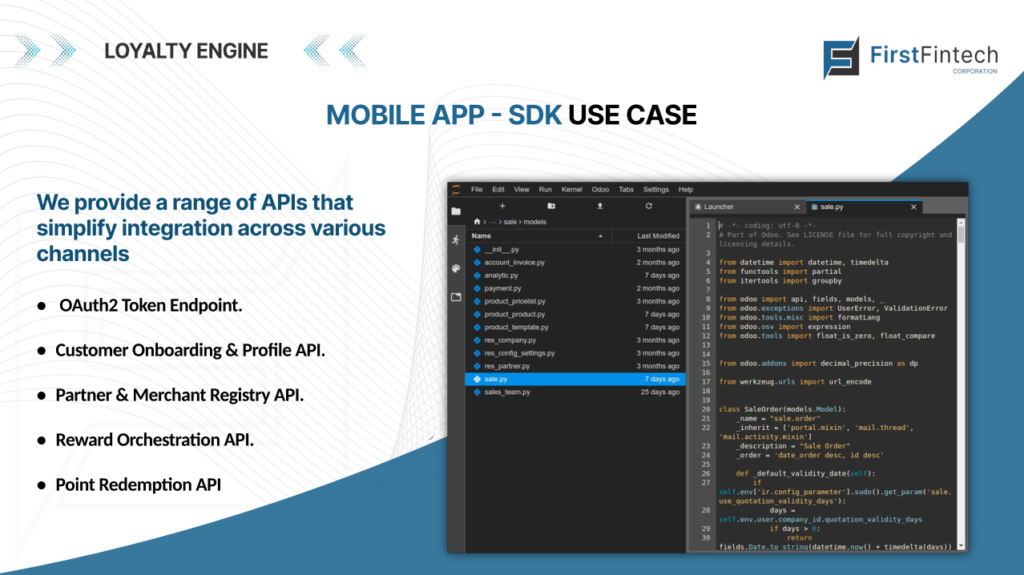
As we explore the world of digital banking, it’s important to understand how these systems are built. Digital banking systems use a complex setup. This setup keeps financial transactions secure and efficient. It can also grow as demand increases.
Frontend and Backend Components
The frontend of digital banking systems includes user interfaces like mobile apps and websites. These aim to provide customers with a smooth experience.
The backend comprises servers, databases, and application programming interfaces (APIs) that handle data processing, storage, and communication with other financial systems.
Integration with Financial Networks
Digital banking systems must integrate with various financial networks to facilitate transactions. This integration is achieved through API-based banking infrastructure, enabling secure data exchange between different systems.
API-Based Banking Infrastructure
API-based banking infrastructure allows for the seamless integration of digital banking services with other financial systems, enhancing the overall banking experience. It enables banks to offer a range of services, from mobile banking to digital payment systems, efficiently.
Cloud Computing in Banking Operations
Cloud computing plays a vital role in modern banking operations, offering scalability, flexibility, and cost-effectiveness. It supports the deployment of digital banking services, ensuring high availability and reliability.
A recent report says that cloud computing in banking will grow a lot. This growth is due to the need for more agility and innovation in financial services.
“Cloud computing is revolutionizing the banking sector by providing a robust infrastructure for digital banking.”
Digital Banking Services and Features
Digital banking has changed how we handle our money. It offers many services and features for different customer needs. These services are designed to provide convenience, flexibility, and enhanced user experience.
Account Management and Monitoring
Digital banking platforms help users manage their accounts easily. They offer features like real-time balance updates, transaction history, and account alerts. These tools help customers stay on top of their finances and make informed decisions.
Digital Payment Solutions
Digital payment solutions have changed how we make transactions. They provide a safe and easy option compared to traditional payment methods. Within this category, we have:
UPI-Based Real-Time Payments
UPI-based real-time payments have gained popularity due to their speed and security. This system enables instant fund transfers between banks, making it an ideal choice for individuals and businesses alike.
Digital Wallets and Contactless Transactions
Digital wallets and contactless payments are now very popular. They let users pay easily with a tap or scan. This technology enhances convenience and reduces the need for physical currency.
Automated Financial Services
Automated financial services, such as automated savings plans and investment services, are also offered by digital banking platforms. These services help customers achieve their financial goals by leveraging technology to optimize their financial management.
In conclusion, digital banking services have greatly improved the banking experience. They offer customers a simple and easy way to manage their money. As technology continues to evolve, we can expect these services to become even more sophisticated and user-friendly.
Online Banking vs. Digital Banking: Key Differences
As we explore modern banking, it’s important to know the differences between online banking and digital banking. Both represent a big change from traditional banking methods. However, they differ in their approach, technology, and customer experience.
Scope and Technological Foundation
Online banking means doing financial transactions on the internet. This usually happens through a bank's website or mobile app. It is an extension of traditional banking. It lets customers do basic tasks like checking account balances, transferring money, and paying bills online.
Digital banking offers a wider range of services. It uses advanced technologies like artificial intelligence (AI), blockchain, and biometric authentication. Digital banking is more than just using banking services online.
It aims to create a complete digital experience. This includes financial planning, investment services, and personalized customer support.
Customer Experience and Service Integration
The customer experience is another area where online banking and digital banking diverge significantly. Online banking tends to replicate the traditional banking experience online, with a focus on transactional services.
Digital banking, however, offers a more holistic and integrated experience. It uses data analysis and AI to give personalized financial advice. It also makes processes easier and improves customer engagement. This happens through different channels like social media, chatbots, and mobile apps.
- Key differences include:
- Broader service integration in digital banking
- Advanced technological foundation in digital banking
- More personalized customer experience in digital banking
It is important for consumers to understand these differences. This helps them make smart choices about their banking needs. It also allows them to take full advantage of digital financial services.
Digital Banking in Qatar: Market Overview
As we look at digital banking in Qatar, it is clear that the financial sector is about to change. Advanced technologies and innovative financial solutions transform the way people deliver and consume banking services.
Regulatory Framework and Government Initiatives
The Qatar Financial Centre (QFC) plays a crucial role in shaping the digital banking landscape through its regulatory framework. The government has started several programs to encourage innovation. One of these is Qatar Vision 2030.
This plan highlights how important digital change is for the financial sector. Key regulatory bodies are the Qatar Central Bank and the QFC Authority. They work together to support digital banking.Major Digital Banking Providers in Qatar
Several banks are leading the charge in digital banking in Qatar. Some of the major players include:
These institutions are using technology to provide many digital services. These include mobile banking apps and online account management.
Consumer Adoption Trends and Statistics
More people in Qatar are using digital banking. This growth is due to more smartphones and better internet services. Recent statistics show that more than 70% of Qatar’s population uses digital banking services. Many people prefer mobile banking apps for their financial transactions.
Analysts expect the trend to continue as more consumers turn to digital channels for their banking needs. This change will likely lead to more innovation in the sector. Banks and financial institutions will compete to provide better and easier digital banking solutions.
Benefits of Embracing Digital Banking
Digital banking has many benefits for people and businesses. It's important to understand these advantages. The advantages of digital banking are multifaceted, ranging from enhanced convenience and accessibility to improved financial management capabilities.
Advantages for Individual Customers
For individual customers, digital banking offers a more personalized and convenient banking experience. With digital banking, customers can manage their finances more effectively and efficiently.
24/7 Accessibility and Convenience
One key benefit is 24/7 accessibility. This lets customers do transactions and check their accounts anytime. Experts say, “Being able to bank anytime and anywhere is changing how we use financial services.”
“The future of banking is not just about technology; it’s about the experience it provides to customers.”
Personalized Financial Management
Digital banking platforms provide personalized tools for managing money. They help customers track spending, create budgets, and set financial goals. This level of personalization enables individuals to make more informed financial decisions.
Benefits for Businesses and Enterprises
Businesses also benefit significantly from digital banking. It streamlines financial operations, reduces costs, and enhances cash flow management. With digital banking, businesses can handle transactions more easily. They can manage many accounts and access various financial services online.
Environmental and Social Impact
Digital banking has a positive environmental and social impact. Digital banking helps create a more sustainable banking model. It does this by reducing the need for physical branches and paper transactions. It also promotes financial inclusion by providing access to banking services for underserved populations.
Security Challenges and Solutions in Digital Banking technology
In the world of digital banking, security is a critical concern that requires constant vigilance and advanced solutions. As we use digital financial services more, we must also deal with new security challenges that arise.
Advanced Security Measures
Financial institutions are implementing advanced security measures. These include:
Biometric Authentication
Biometric authentication, such as fingerprint or facial recognition, adds a robust layer of security by verifying user identities through unique physical characteristics.
Encryption and Fraud Detection Systems
Encryption keeps data safe during transmission and storage. Fraud detection systems use advanced algorithms to find and mark suspicious transactions right away.
Customer Education and Best Practices
While advanced security measures are crucial, customer education is equally important. We need to teach our customers good habits. This includes using strong, unique passwords and being careful of phishing attempts. By working together, we can significantly enhance the security of digital banking services.
The Future of Digital Banking: Trends and Predictions
As we look to the future of digital banking, it’s clear that the industry is on the beginning of significant change. New trends and technologies will change how we manage our money. This will make it easier, safer, and more personal.
Advancements in artificial intelligence, blockchain, and mobile technologies will shape the future of digital banking. These innovations will help banks provide better services. They can offer real-time payment processing and advanced risk management tools. Digital banking is changing. Open banking and the rise of fintech companies are important trends.
What is digital banking, and how does it differ from online banking?
Digital banking is a broader concept that encompasses online banking, mobile banking, and other digital financial services. Online banking means using the internet for banking services. Digital banking is broader. It includes mobile apps, digital wallets, and virtual banking platforms.
What are the benefits of using digital banking services?
Digital banking offers many benefits, including 24/7 accessibility, convenience, and personalized financial management. It also allow faster transactions, reduces costs, and provides a more Smooth user experience.
How do digital banks ensure the security of customer data and transactions?
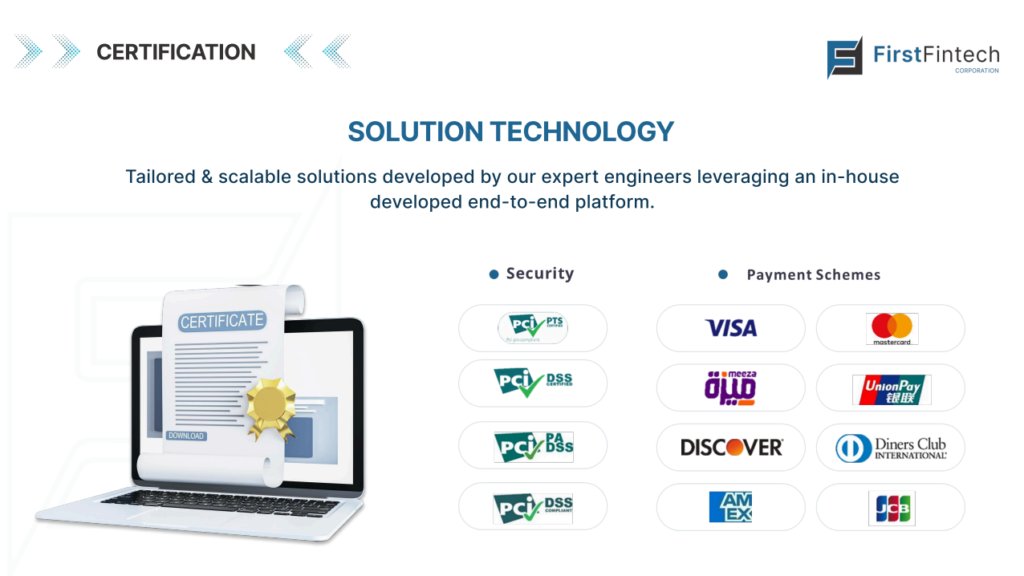
Digital banks use strong security tools like biometrics, encryption, and real-time fraud monitoring to protect customer data. They also follow global standards such as SOC 2 Type II and PCI certifications to keep systems safe and up to date. FirstFintech uses these same top-level security standards to ensure all customer information and transactions stay protected.
What is UPI-based real-time payment, and how does it work?
We explain that UPI (Unified Payments Interface) is a payment system. It allows instant transactions between banks and other financial institutions. It lets users pay and send money using a virtual payment address. This method does not need account numbers or other sensitive information.
How do digital wallets work, and what are their benefits?
They offer benefits like convenience, security, and ease of use, making them a popular choice for online and offline transactions.
What is the future of digital banking technology , and what trends can we expect?
We anticipate that the future of digital banking will be shaped by trends like increased adoption of artificial intelligence, blockchain technology, and the Internet of Things (IoT). These advancements will drive innovation, improve customer experiences, and create new opportunities for financial inclusion and growth.
